10 Ways to Prepare for a Home Inspection
Putting your home on the market and going through the home inspection process as a seller can be one of the most stressful and frustrating events in home ownership. Home inspections are cited more than twice as often as financing as the issue that causes real estate contracts to fail. While it's common for contracts to fall through, the problem is clear: home buyers and sellers are often surprised by the condition of the home after a contract has already been negotiated.
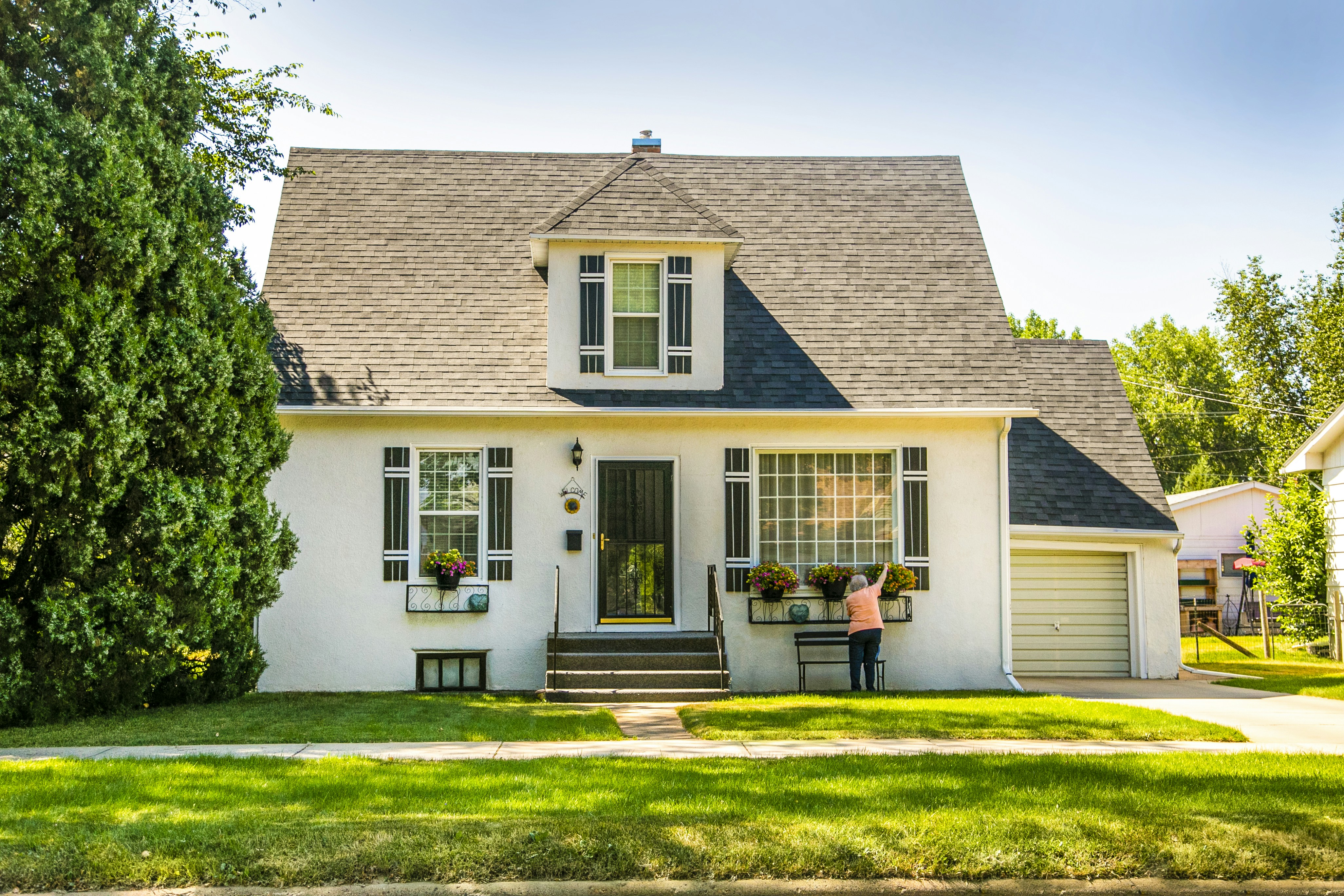
I'll admit, home inspections aren't an easy pill to swallow. There are usually a few critical items, a dozen or more typical repairs, and lots of minor maintenance items that turn up. This can be shocking news to a first-time buyer who has already fallen in love with the home. But it can be surprising to sellers too, who are caught off guard by problems they didn't know existed.
Since contracts are so commonly canceled over home inspections, it's surprising how little is done to prevent the problem. So here's a list of the top 10 things homeowners can do to prepare for an inspection and get to closing smoothly.
Five Steps Before You List Your Home
1. Get a pre-listing inspection

Far and away the best thing you can do as you prepare to list your home is to get a pre-listing inspection from a well-experienced, licensed home inspector. This probably won't keep a buyer from getting their own inspection, but it will give you a report of everything the buyer is likely to find when they do. The advantage of doing this beforehand is it gives you time to find the right contractor at the right price to make the repairs. Those repairs can be built into the price of the home instead of negotiated off after the fact. The whole process becomes far less stressful because the work is already done.
Now, when you list the home, include the pre-listing inspection report along with receipts for the repairs you've made, right alongside your disclosure statement. This gives buyers a lot more confidence in the home, reduces haggling over repairs, and makes it much more likely you'll get to closing, because negotiations start with a buyer whose eyes are already wide open.
2. Address the six major systems first
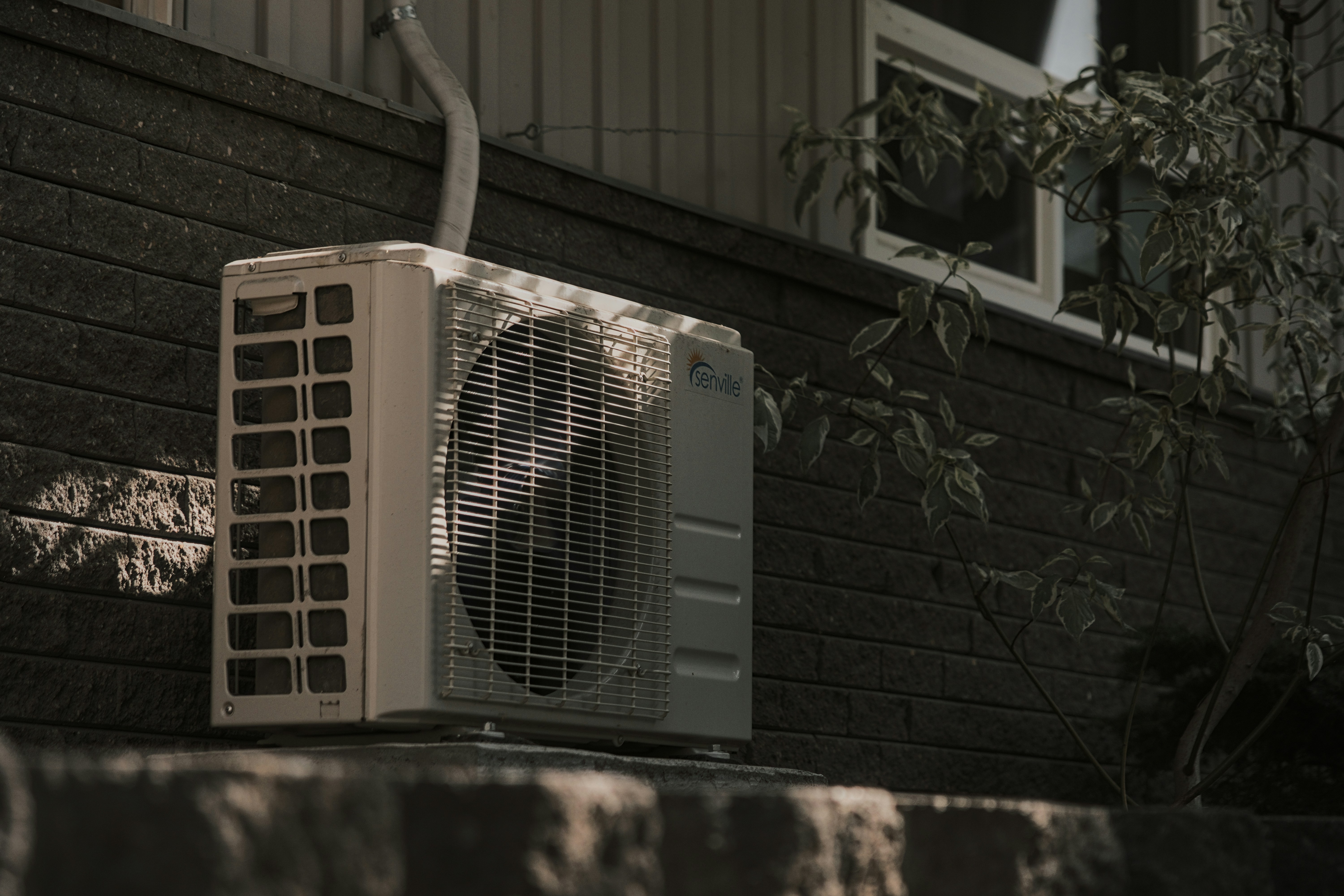
Once you've had a pre-listing inspection, the list of repairs can feel daunting. Focus first on the six major home systems, in order of severity: roof, foundation, structure, electrical, HVAC, and plumbing. If you didn't get a pre-listing inspection, consider having a contractor come clean, service, and inspect these areas. Have a roofer take a look at your roof — many will do this for free. These are the most critical areas and the most likely to derail a transaction. If you suspect or know you have problems here, address them preemptively. Waiting only makes things worse.
3. Disclose as much as possible
Most states require sellers to complete some form of property condition disclosure. Both KY and IN require sellers to disclose known issues such as foundation leaks, roof leaks, structural problems, flooding, and the age of the HVAC system. Unfortunately, many sellers simply claim they don't know much about the home's problems. Our recommendation: don't go light on this document — put real work into disclosing as much as you can. If what you disclose doesn't match what turns up in the buyer's home inspection report, it can seriously erode the buyer's confidence in the transaction.
4. Create a home maintenance file
Take time to put together a file of all the work you've done on your home. Keeping operating instructions, warranties, and receipts together goes a long way toward building the story that the home has been well kept and cared for.
5. Hire an experienced realtor
A realtor who knows what to do with all this information, and how to present it, is essential to a successful transaction. A great realtor can take a seller who's poorly prepared their home and still get the deal across the finish line. The reverse is also true: an inexperienced realtor can take a well-prepared seller and botch the transaction. Don't hire the cheapest realtor, or the one in your social circle. Interview several, and find the high-octane, high-service, full-time professionals in the top 20% of your market. Anything less will cost you money and increase your risk of buyers backing out.
Right Before the Inspection
6. Clear access to critical areas
One of my personal pet peeves is having to call the buyer's agent during an inspection just to get permission to move furniture, boxes, and personal items out of the way. As you prepare, take a few minutes the morning of the inspection to clear out the closet with the attic access, remove the picture covering the electrical panel, pull storage boxes away from the furnace, and unlock (or leave out keys for) every door — crawlspace hatch, sheds, exterior electrical panel, and so on. It's all too common for an inspector to be denied access to a critical area and have to exclude it from the report, and excluded areas can be alarming to buyers. Giving full access to every area sends a clear signal that the seller has nothing to hide.
7. Make the remote controls easy to find

During an inspection, we have to check nearly every accessible switch, outlet, light, and ceiling fan. When a switch doesn't turn on a light or fan, we have to assume it doesn't work — even if we suspect there's a remote control for it somewhere. Leaving remotes out in plain sight saves you an explanation later and helps us avoid adding items to the report that aren't actually problems.
8. Turn on and repair all the lights
Similar to the point above, it's good practice to turn on every light and fan before you leave the home for the inspection. Not only does this make it easy for us to verify that everything works, it also makes the home bright and show-ready. It's a simple way to say, "We have nothing to hide."
9. Temporarily vacate the premises
I understand it's hard to leave your own home while an inspector and the buyer are walking through it. But staying almost always causes more problems than it solves. It creates a tense environment and makes it harder for the inspector and buyer to speak freely about what they're finding. Leaving for the inspection, and being patient about when you return, keeps stress low and communication open.

10. Clean, vacuum, and take your pets with you
It's a simple thing to do, but I'm still surprised by how many homes I inspect that are just filthy, with a nervous, caged, barking dog inside. A clean, pet-free home makes for a far more pleasant — and thorough — inspection.
Take the time to prepare your home, and find and fix the bigger issues first. You'll net more money in the sale, and the process will be far less stressful for everyone if the buyer knows upfront what the issues are and what's already been addressed. Then round it out with items 6 through 10 to seal the deal — they make life easier on the buyer's inspector and create an environment where the buyer is eager to move in. Inspections can be harsh news to a starry-eyed buyer. When a seller creates an environment of transparency and trust using these 10 steps, it goes a long way toward keeping the transaction from falling apart.

Eric Gentry
Certified Master Inspector
Owner of GuardianPro