




Pool Inspections
Comprehensive evaluation of pool equipment, safety barriers, and structural integrity.
Learn MoreComprehensive evaluation of pool equipment, safety barriers, and structural integrity.
Learn MoreDetect hidden moisture, electrical hot spots, and insulation gaps using infrared technology.
Learn MoreHigh-definition camera inspections to identify cracks, root intrusions, or blockages.
Learn MoreA non-invasive test to verify functional flow and identify potential surface leaks.
Learn MoreRemote-controlled precision rover inspections to map tight crawlspaces and discover hidden defects.
Learn MoreDetailed evaluations to spot signs of wood-destroying organisms and structural vulnerabilities.
Learn MoreWe carefully inspect pools for safety, properly working equipment, and overall condition.
According to InterNACHI's Pool and Spa Inspection Standards of Practice, a pool inspection is a non-invasive, visual overview of the readily accessible areas of the pool and spa, focusing on safety, functionality, and the condition of major components.
Interior Surfaces: Inspection of tiles, coping, steps, and overall liner or shell condition (e.g., plaster, fiberglass, vinyl).
Decking and Walking Surfaces: Evaluation of surrounding decks for safety, drainage, and tripping hazards.
Structural Features: Assessment of handrails, ladders, and diving boards to ensure they are secure.
Water Level: Observation of water levels and signs of leaks or structural damage.
Filtration and Circulation: Inspection of pumps, motors, filters, and filter tanks.
Plumbing: Evaluation of visible pipes, plumbing connections, and valves.
Heating Systems: Inspection of pool heaters and heat pumps, including solar systems.
Electrical: Inspection of lighting, timers, controllers, disconnects, and ground-fault circuit interrupters (GFCIs).
Bonding: Examination of external bonding on pump motors.
Barriers: Inspection of fencing, gates, and safety alarms.
Entrapment Prevention: Evaluation of drain covers and suction fittings.
Draining the pool, filling the pool, or touching the water.
Identifying leaks in the shell or underground piping.
Testing water chemistry (algae, bacteria).
Evaluating winterized or shut-down systems.
Moisture
Heat
Cold
Wood Destroying Insects
Moisture Detection in Walls and Ceilings – Identify water damage and mold risk in walls, floors, ceilings, and areas where the insulation is inadequate.
Stucco & EIFS Inspections – Rot behind the stucco may be shown in the form of heat anomalies and how much of an area is damaged.
Wood Destroying Insect Activity – Large, active termite activity produces a great deal of heat that is often visible to the infrared camera.
Energy Audits – Heat loss and/or cold air influx can be detected in structures with faulty insulation or electrical issues.
Flat Roof Inspections – Can detect the precise location of a leak(s) which will be marked in the report.
Electrical Inspections – Can detect hot spots in the electrical system, saving the property owner from potential fire & outage risks.
Plumbing Inspections – Helps find leaks, determine if they are active, and identify the damaged areas. Also can detect temperature anomalies in the plumbing system.
A property with an exiting sewer line flows waste out from toilets, sinks, showers, & tubs to the municipal system for disposal.
A camera with a 100ft line is placed into the access point at the property.
The camera records and takes pictures for review by the inspector & client.
Any issues will be listed on the report.
Cracked, Broken, Collapsed, or Damaged Piping
Tree roots, Grease, or other obstacles impeding flow
"Bellies" or Sagging Pipes due to shifting earth
Offset Pipes or Misaligned Joints
Corrosion and/or Deterioration of Pipes
A non-toxic, safe for plumbing, fluorescent dye is introduced into the system and monitored for its appearance on the ground surface.
Water is flushed through the system to push the dye.
The inspector walks the property looking for seepage, such as soggy soil, lush grass, or foul odors.
See what your property looks like from every angle.
A drone is flown over the area to capture the surrounding area and recorded for your report.
Condition of Roof & Exterior
Any Structural Issues
Area Surrounding Property Boundaries
Surrounding Infrastructure (i.e. power lines, roads, pipes, etc...)
Surrounding Natural Resources
It can access confined, hazardous, or physically inaccessible areas.
It records the area for the inspection report and helps the inspector see trouble areas.
No. It's only used if the area is deemed hazardous or too small for the inspector.
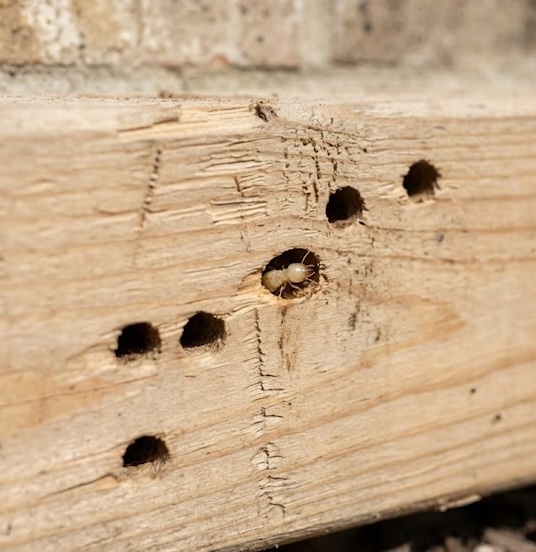
With every home inspection, there's the option to get a free Termite Inspection.
Shelter Tubes
Exit Holes in Walls
Discarded Swarmer Wings
Hollowed Wood
A professional inspector will take their time to look through a property and explain what is occurring to ensure clients understand.
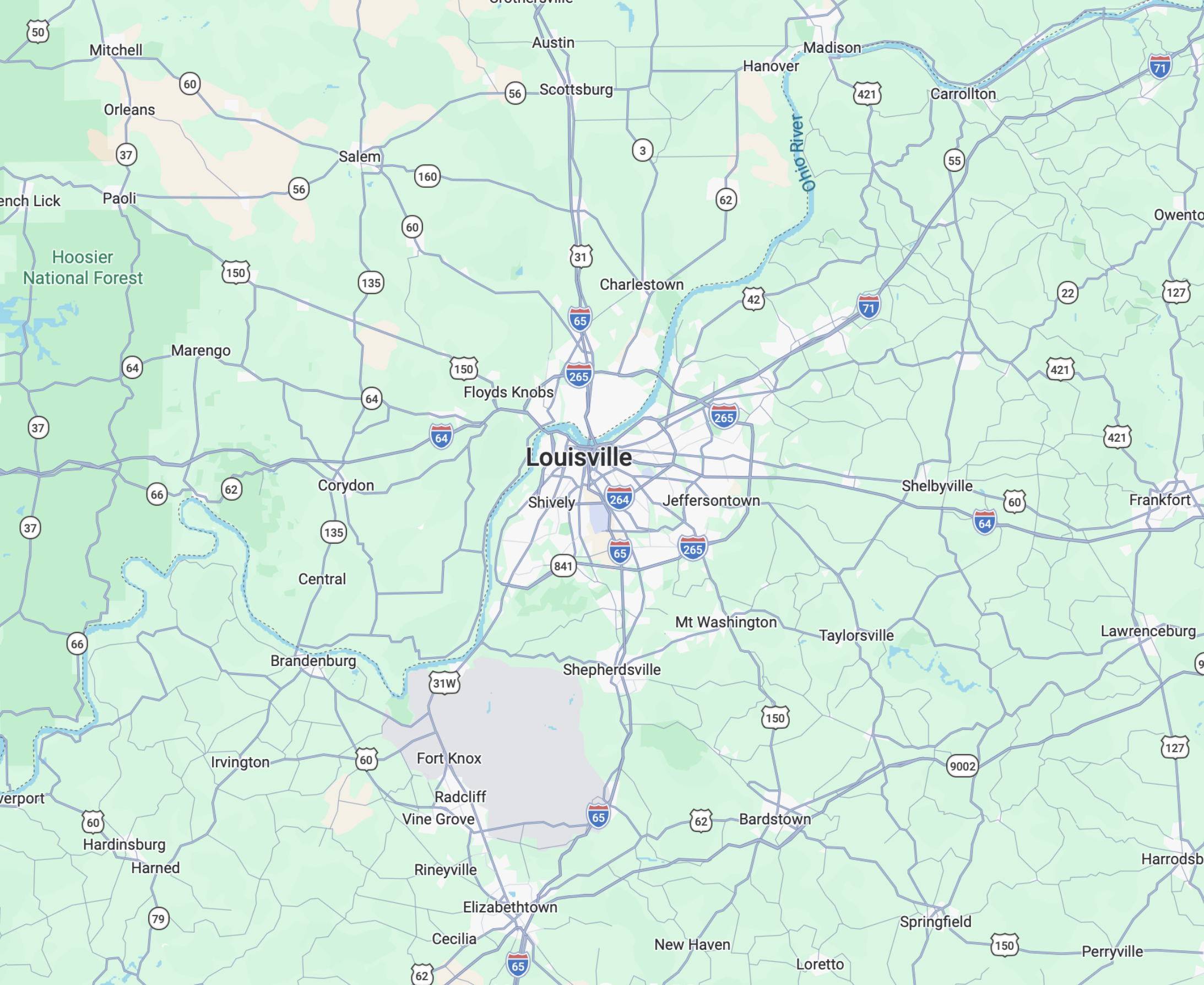
Click Map to See Our Service Area!
Hover Over Map to See Our Service Area!

© Copyright 2026 GuardianPro Inspection, LLC dba Guardian Inspections (KY)
All rights reserved